
Grammar Writing Perfection. ✨
Grammar. Clear. Perfect.
Fix grammar, spelling, punctuation, and writing instantly with Grammnix, your trusted AI writing assistant for clear, error-free content.
From the Blog
Run vs Ran 🤔: What’s the Difference? Meaning, Grammar Rules & Examples 📚
September 6, 2026
Ever typed I have ran to the store and paused, wondering if that’s actually correct? 🤔 You’re not alone — run vs ran is one of the most common mix-ups in English, mostly because “run” pulls double duty as both the present tense and the past participle. Confusing the two isn’t just a typo; it’s
Next Friday vs This Friday: What’s the Difference? 📅 (Meaning, Usage & Real-Life Examples)
August 29, 2026
You text a friend: “Let’s grab dinner next Friday.” 💬 They show up seven days later than you meant. 😅 Now you’re standing at an empty restaurant wondering where they are. 🍽️ This mix-up happens constantly, and it’s not really about grammar — both phrases are correct. ✅ It’s about interpretation. “This Friday” and “next
Showed or Shown? 🤔 Which One Is Correct? (Meaning, Grammar Rules & Examples)
August 28, 2026
If you’ve ever paused mid-sentence wondering whether to write “she showed me” or “she has shown me,” you’re not alone 🙋. This is one of the most common irregular verb mix-ups in English 📝, and it trips up native speakers just as often as learners 😅. The good news is simple 🎉: once you understand
Run or Ran: What’s the Difference? Meaning, Grammar Rules & Examples 🏃📚
August 27, 2026
If you’ve ever paused mid-sentence wondering whether to say “I run” or “I ran,” you’re not alone. These two words trip up native speakers and English learners alike because run is one of the most irregular verbs in the language. This guide breaks down the difference in plain English, backed by real examples, a rule
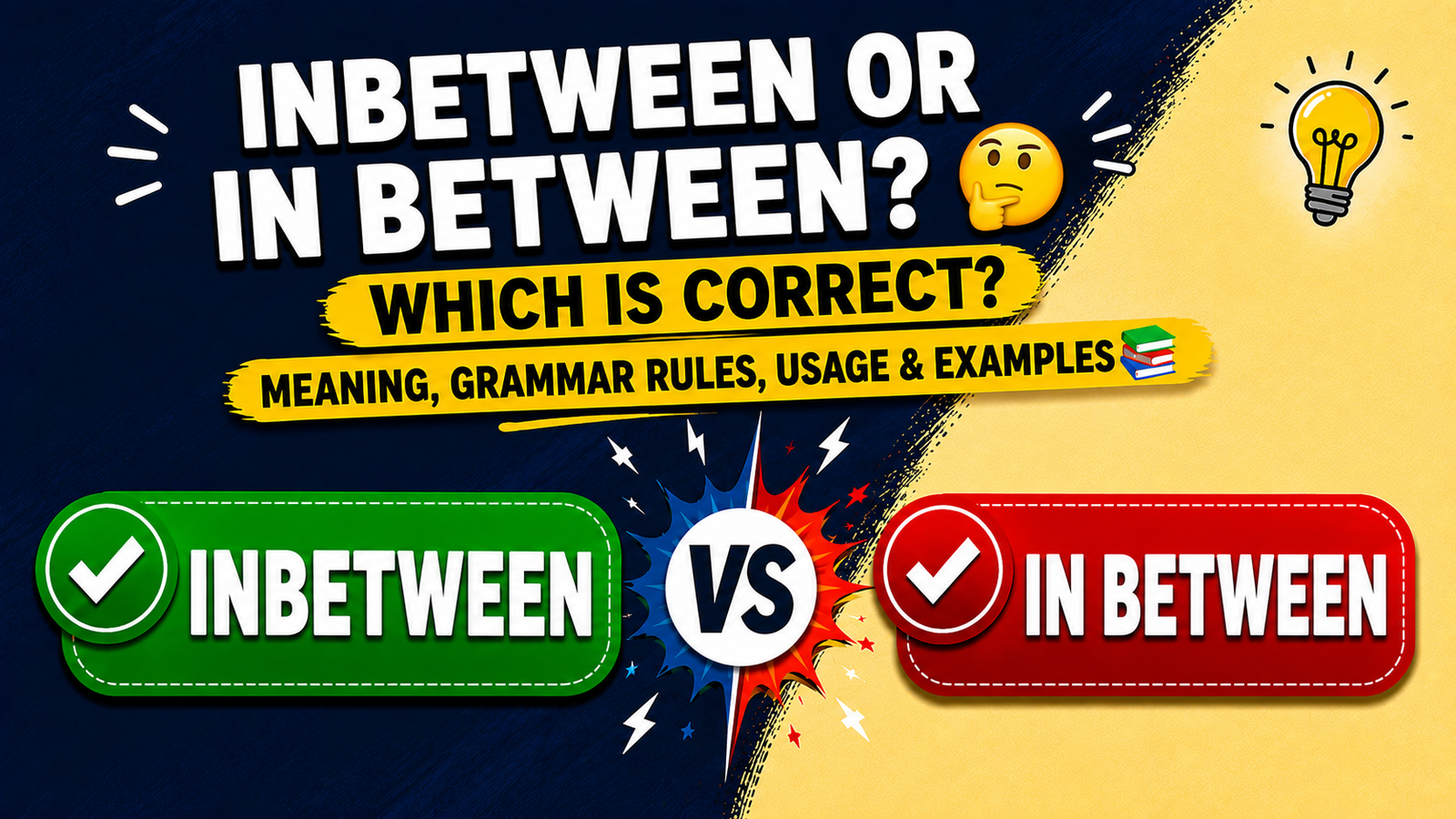
Inbetween or In Between? 🤔 Which Is Correct? Meaning, Grammar Rules, Usage & Examples 📚
August 26, 2026
Have you ever typed a sentence, paused at “in between,” and wondered if it should be one word instead? You’re not alone. This is one of the most common spacing mix-ups in English, and it trips up native speakers and learners alike. The good news is that the rule is simple once you see it
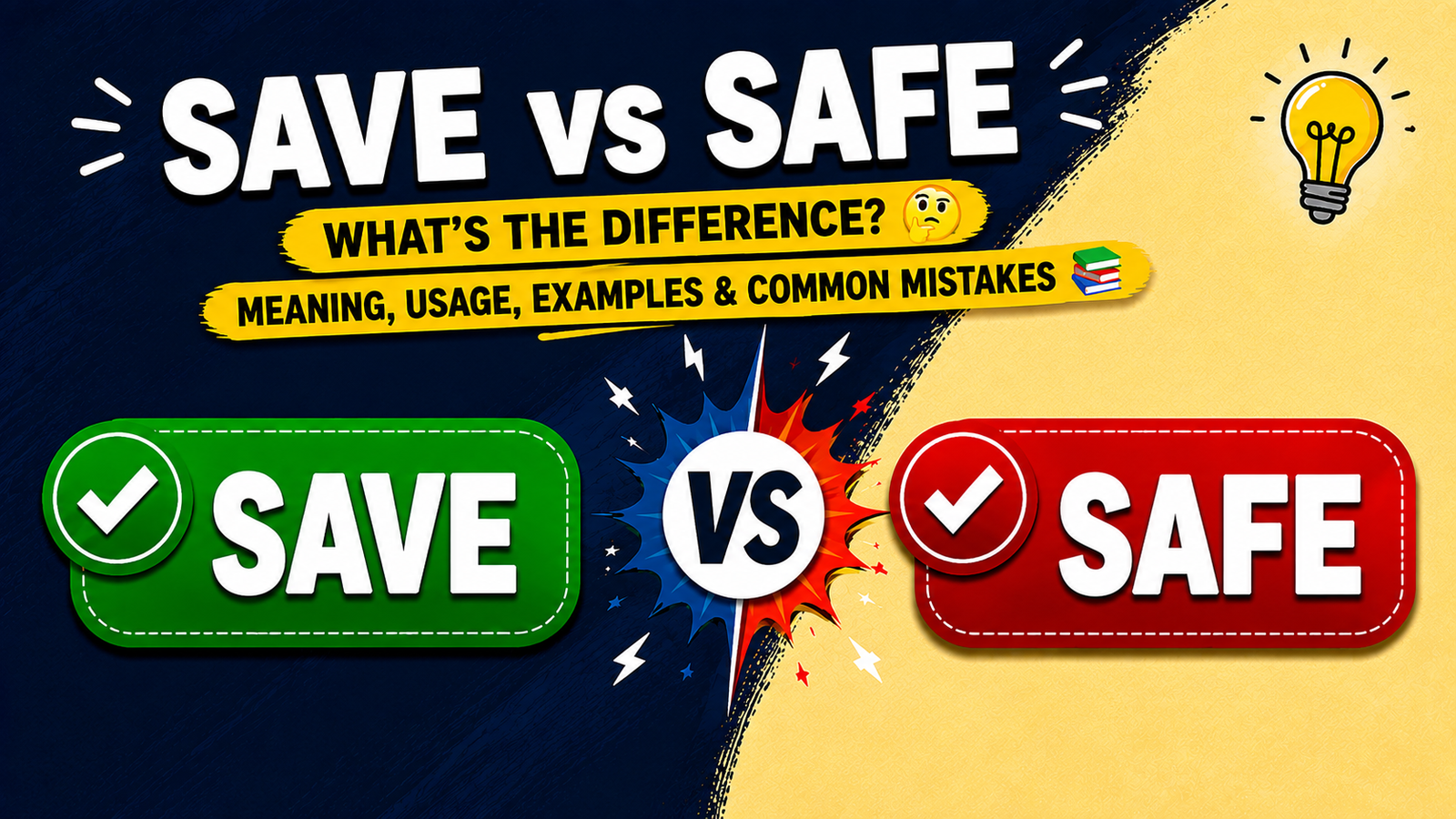
Save vs Safe 🤔: What’s the Difference? Meaning, Usage, Examples & Common Mistakes 📚
August 25, 2026
If you’ve ever paused mid-sentence wondering whether to write “save the file” or “safe the file,” you’re not alone. Save and safe look almost identical, sound similar when spoken quickly, and even share the same Latin root — yet they play completely different grammatical roles. Mixing them up is one of the most common English
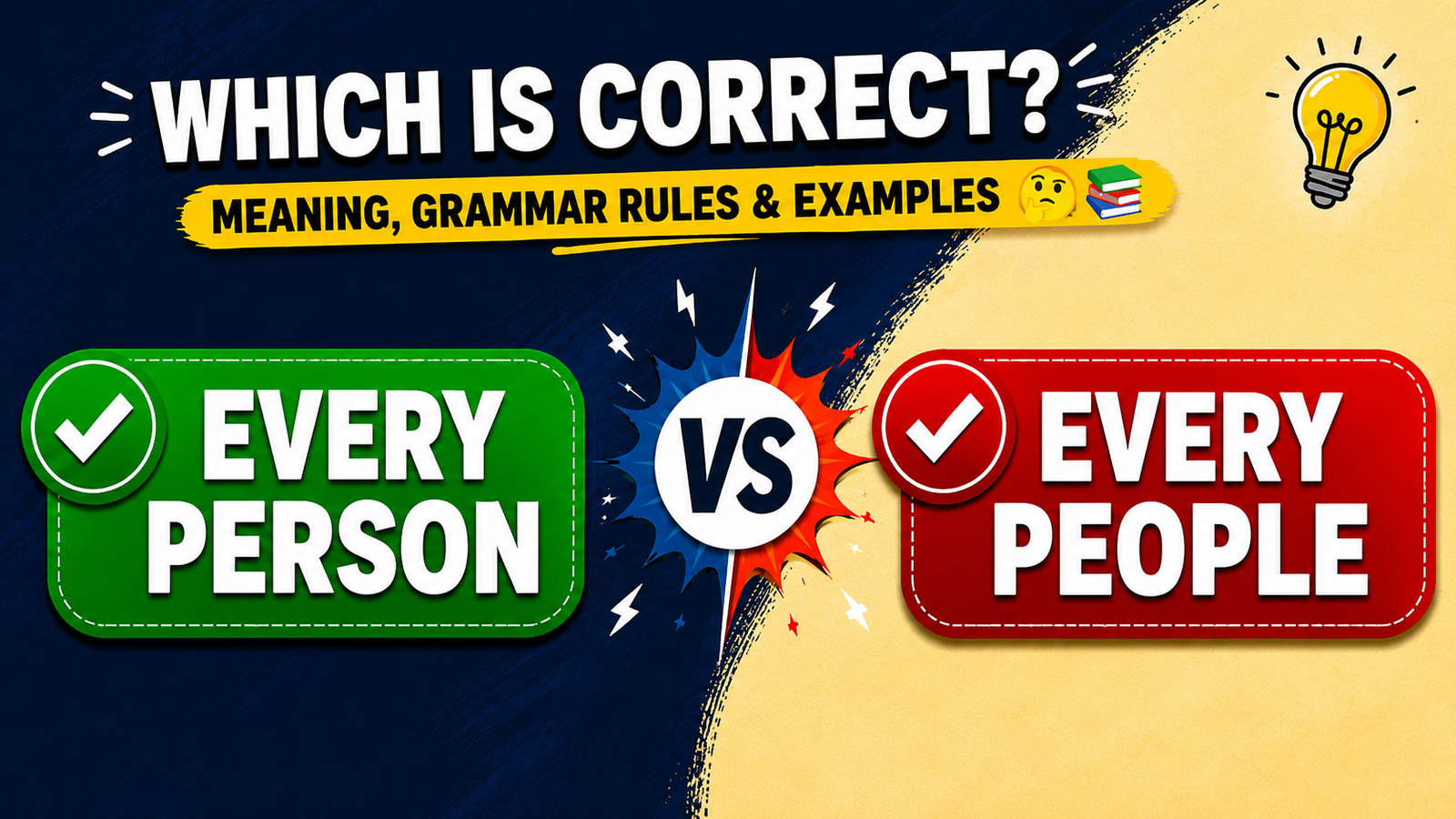
Every Person or Every People: Which Is Correct? Meaning, Grammar Rules & Examples 🤔📚
August 25, 2026
If you’ve ever paused mid-sentence wondering whether to write “every person” or “every people,” you’re not alone. This mix-up shows up in emails, essays, and even native-speaker conversations. The confusion usually comes from one simple fact: “people” feels like it should work with “every” because it means the same thing as “persons.” But English grammar
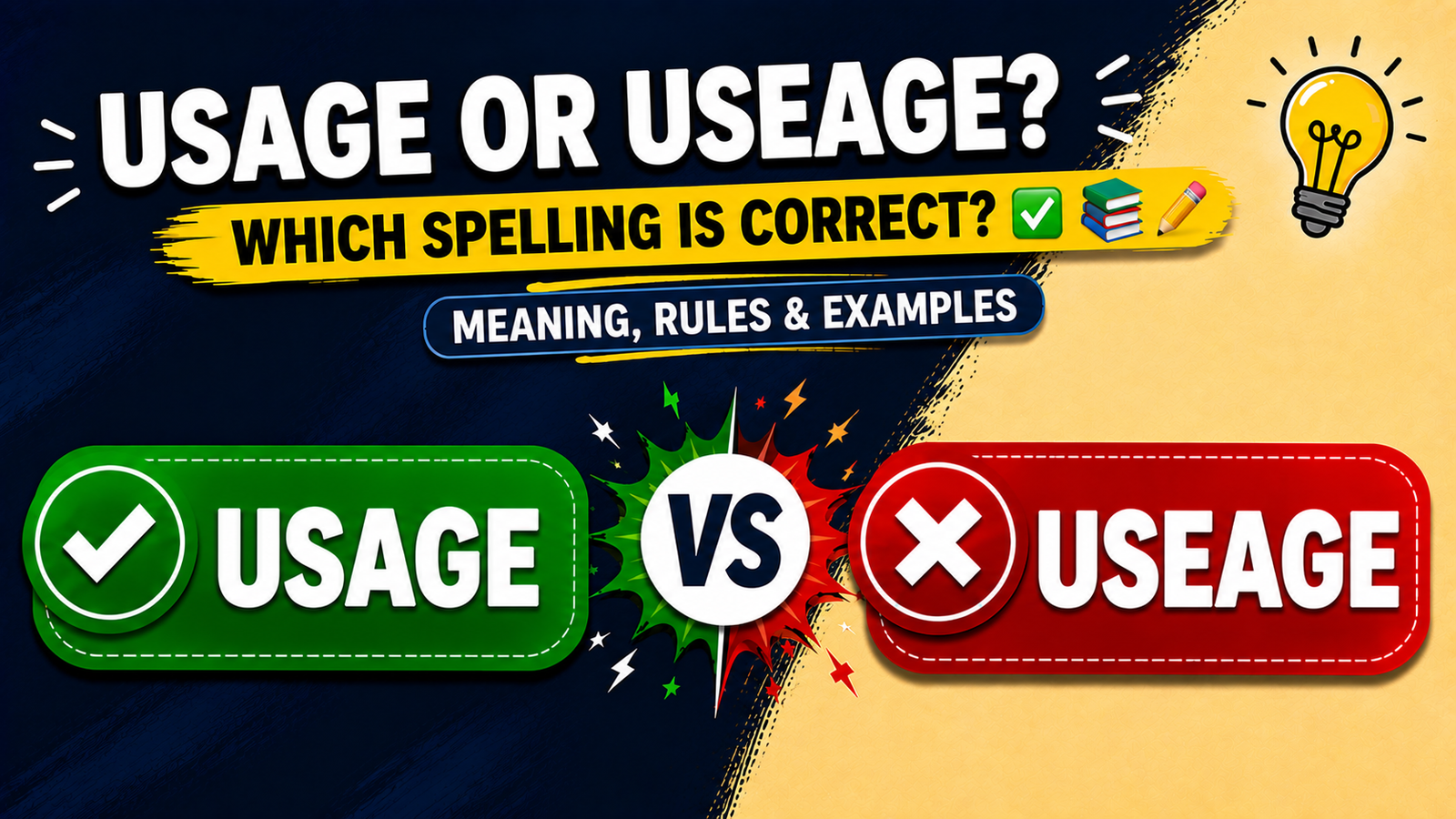
Usage or Useage: Which Spelling Is Correct? Meaning, Rules & Examples ✍️📚
August 25, 2026
If you’ve ever paused mid-sentence wondering whether to type “usage” or “useage,” you’re not alone. This is one of the most common spelling mix-ups in English writing, and it trips up students, professionals, and even experienced writers. The good news? The answer is simple, and once you understand the rule behind it, you’ll never second-guess
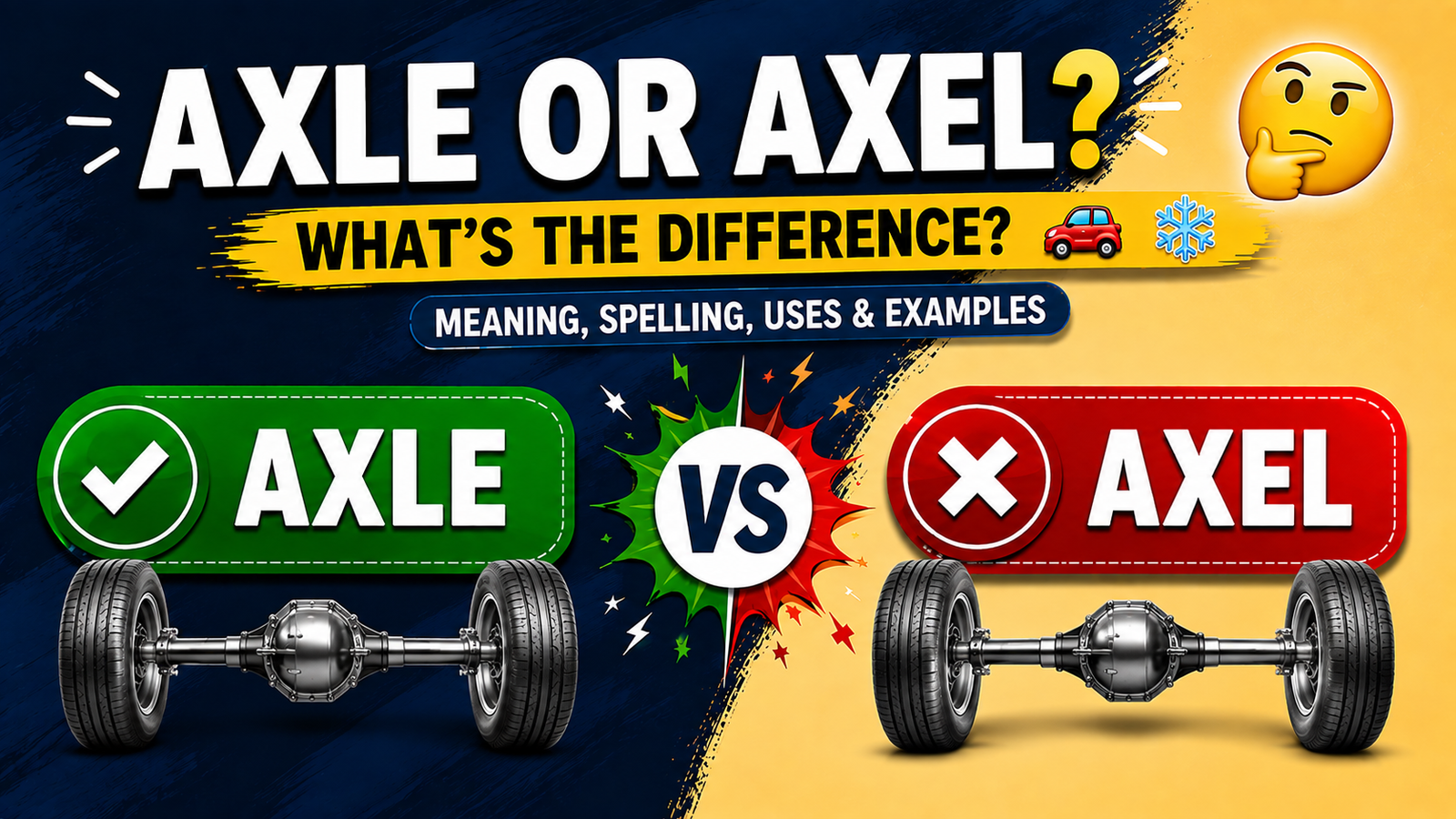
Axle or Axel? 🤔 What’s the Difference? Meaning, Spelling, Uses & Examples 🚗❄️
August 24, 2026
Have you ever typed “axel” while describing a flat tire, or written “axle” when talking about a figure skater’s routine? You’re not alone. These two words sound exactly the same when spoken out loud, yet they belong to completely different worlds one lives under your car, and the other lives on an ice rink. This
Lier or Liar? 🤔 Which Word Is Correct? Meaning, Spelling, Differences & Examples
August 24, 2026
If you’ve ever paused mid-sentence wondering whether to type “lier” or “liar,” you’re not alone. These two words look almost identical, sound the same in casual speech, and both trace back to the verb “lie” — which is exactly why they trip up so many writers. The short version: almost every time you mean “a